
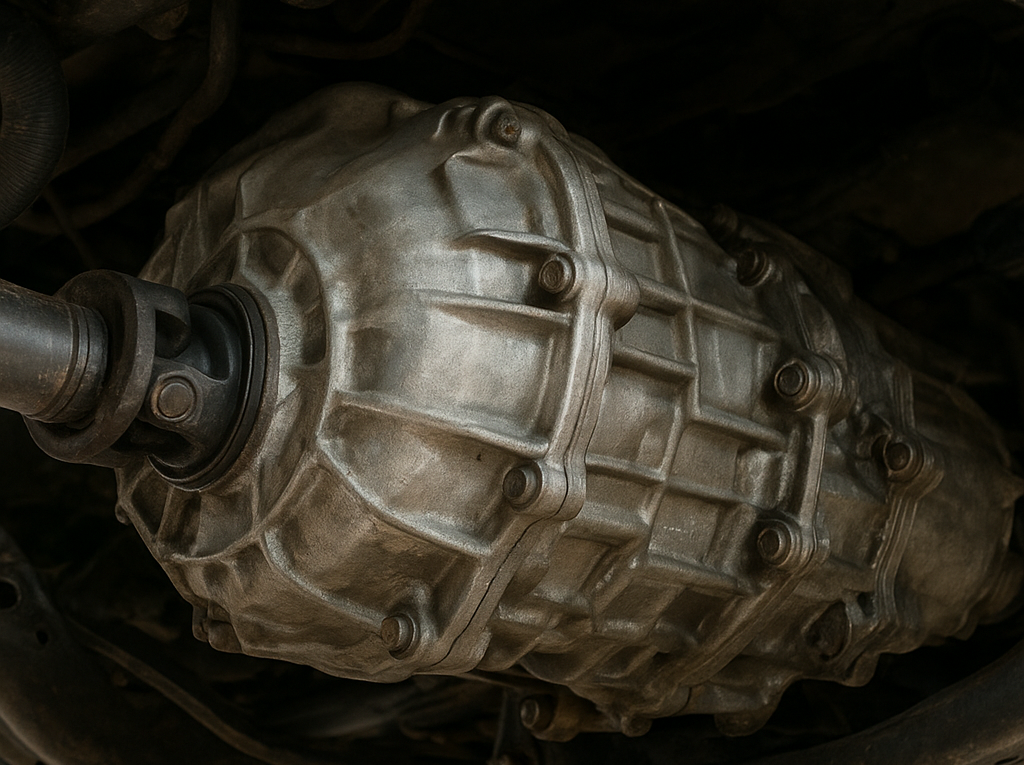
Recognizing Signs Of A Transmission Slipping Before Major Damage
Every driver eventually faces a drivetrain that refuses to hold gears properly. Spotting the issue early saves money and prevents sudden breakdowns. Mechanics notice a clear pattern when power delivery drops without warning. The engine revs climb, yet the vehicle barely accelerates. Understanding the root cause requires looking past simple dashboard lights.
Understanding What Is Transmission Slipping
This condition occurs when internal components lose traction between the engine and the wheels. Instead of transferring torque smoothly, the system allows rotational energy to dissipate as heat. Modern automatic units rely on clutch packs, fluid pressure, and electronic solenoids to manage shifts. When any of these elements degrade, the connection weakens. Drivers often mistake it for engine trouble, but the real problem sits inside the gearbox housing. Proper diagnostics start by checking fluid levels and scanning for pressure irregularities.
Regular fluid analysis reveals hidden wear long before complete failure. Ignoring early warnings turns a simple service into a costly rebuild.
Key Transmission Slipping Signs For Modern Vehicles
Recognizing the symptoms helps prevent secondary damage to the drivetrain. The following indicators usually appear together during normal operation:
- RPM spikes during acceleration without matching speed gains
- Delayed engagement when shifting from park to drive
- Burning odor from overheated friction material
- Unexpected gear drops at highway speeds
- Check engine light paired with shift code errors
These signals rarely show up overnight. They build gradually as seals harden and valves stick. Tracking the frequency helps mechanics pinpoint whether the fault lies in hydraulic circuits or worn friction surfaces. Early detection often avoids full assembly replacment.
Tracking Signs Of Transmission Slipping Over Time
The progression follows a predictable path. Initial stages involve minor hesitation during cold starts. As heat cycles accumulate, clutch plates glaze over and lose grip. Eventually, the control module compensates by raising line pressure, which accelerates wear. Below is a breakdown of how the issue develops across different mileage ranges.
| Stage | Typical Symptoms | Primary Cause |
|---|---|---|
| Early Phase | Mild hesitation, occasional flare | Fluid oxidation, minor seal wear |
| Middle Phase | Consistent RPM spikes, harsh downshifts | Clutch glazing, solenoid degradation |
| Advanced Phase | Complete power loss, metal debris | Band failure, planetary damage |
When A Transmission Slips Under Heavy Load
Historical context matters when evaluating modern gearboxes. Early four-speed automatics relied heavily on vacuum modulators and mechanical governors. Drivers felt every gear change, and slipping meant manual cable adjustments. Today, computer-controlled units manage hundreds of pressure variables per second. The shift toward dual-clutch and continuously variable designs changed how drivers experience gear engagement. While smoother, these systems hide problems longer because software masks minor pressure drops until a threshold is crossed. Software masking delays awareness but cannot stop physical wear.
When a gearbox struggles under load, the torque converter becomes the first point of failure. Stator fins bend, and lock-up clutches chatter. Repair shops now use scan tools to monitor pressure curves in real time, something impossible two decades ago. Official 2026 safety guidelines stress the importance of manufacturer-recommended fluid intervals. European engineering standards also emphasize thermal stability for urban stop-and-go traffic, which heavily strains modern cooling circuits. Regional maintainance protocols suggest shorter change cycles for severe driving conditions. Source: bbc.com